
Travel brings us face to face with creatures we’ve only ever seen on screens. From watching whales breach to spotting exotic birds, those moments can redefine wanderlust.
But not all wildlife experiences are created equal. Some hide stress and suffering behind the scenes. In this guide you will discover five positive, ethical animal encounters to seek out on holiday and learn which popular attractions to skip if you want to travel with respect and peace of mind.
Why Choose Ethical Animal Encounters
Choosing wildlife experiences that respect animal welfare helps conserve species, protects ecosystems, and uplifts local communities. When you avoid exploitative attractions you send a clear message. Wildlife matters more than a quick selfie.
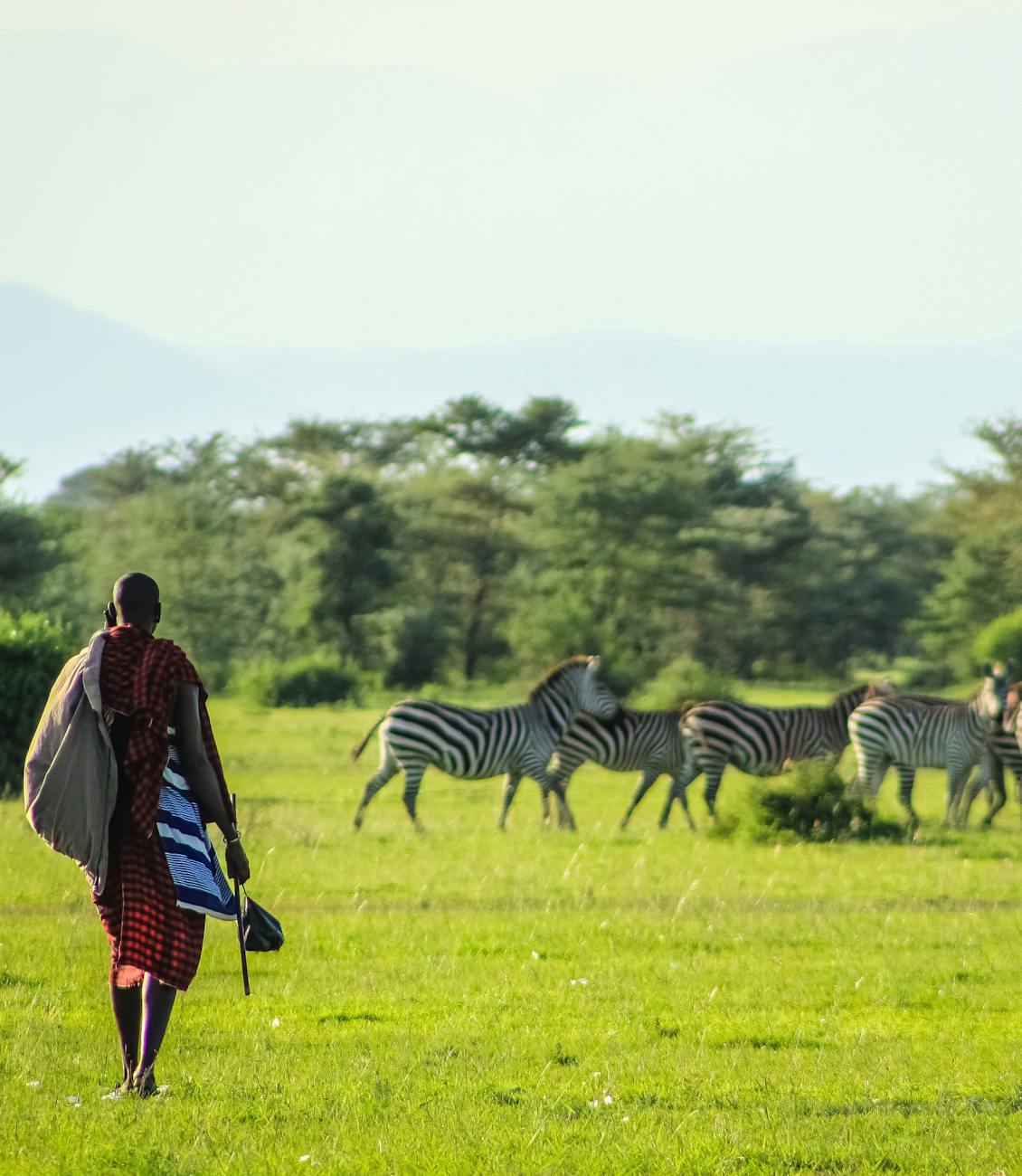
1. Guided Wildlife Safaris in Protected Reserves
Where to go: Serengeti (Tanzania), Kruger National Park (South Africa), Yala National Park (Sri Lanka)
Why it works: Animals roam free and guides stick to strict viewing distances. You’ll learn about behavior, tracks, and calls without stressing the wildlife. Early morning or late afternoon drives offer the best light and quietest roads.
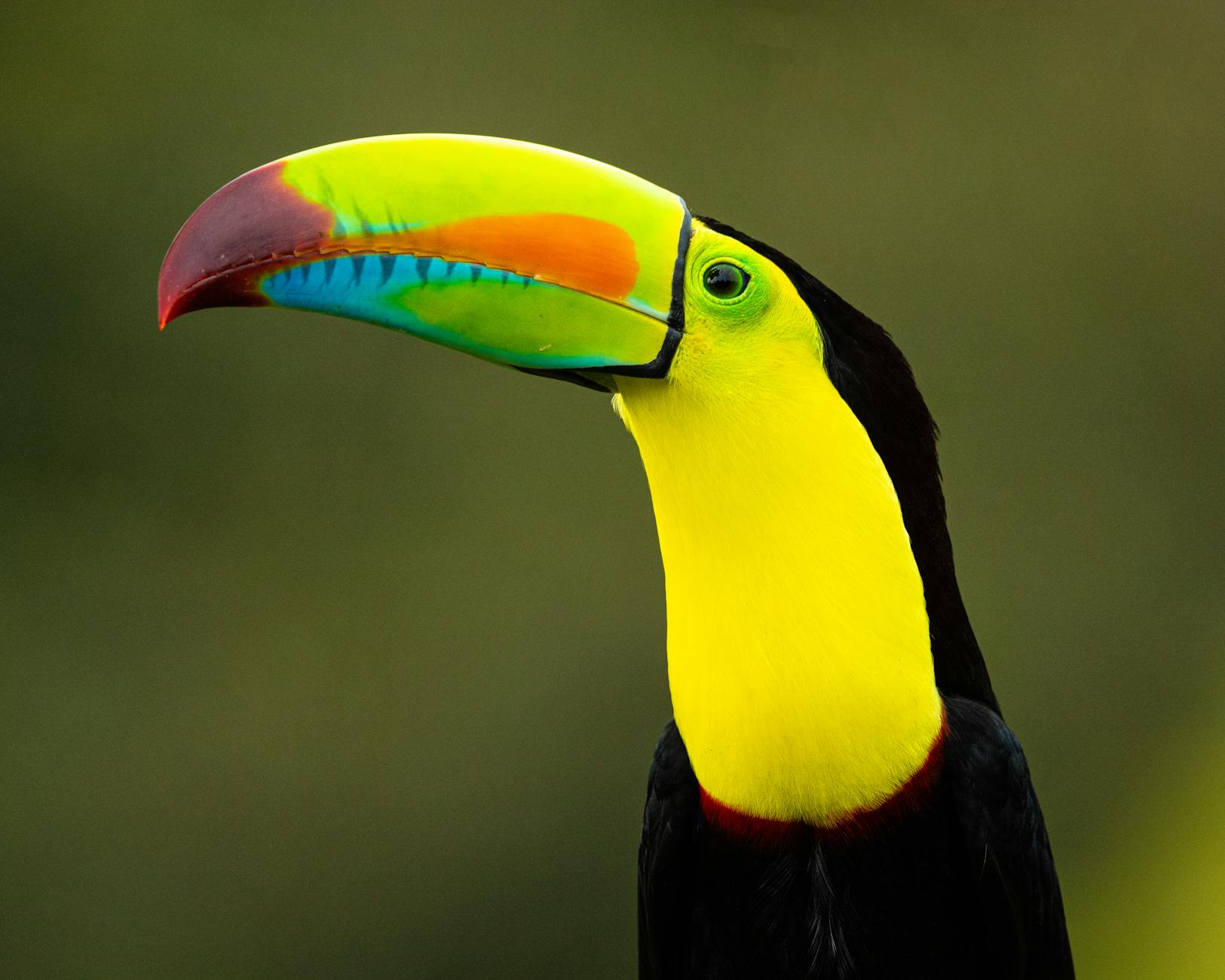
2. Bird Watching Tours with Certified Guides
Where to go: Costa Rica’s Monteverde Cloud Forest, Australia’s Daintree Rainforest, Spain’s Doñana National Park
Why it works: Bird experts help you spot colorful species in their natural habitat. Binoculars and field guides replace cages and perches. A calm, patient approach often rewards you with rare sightings.
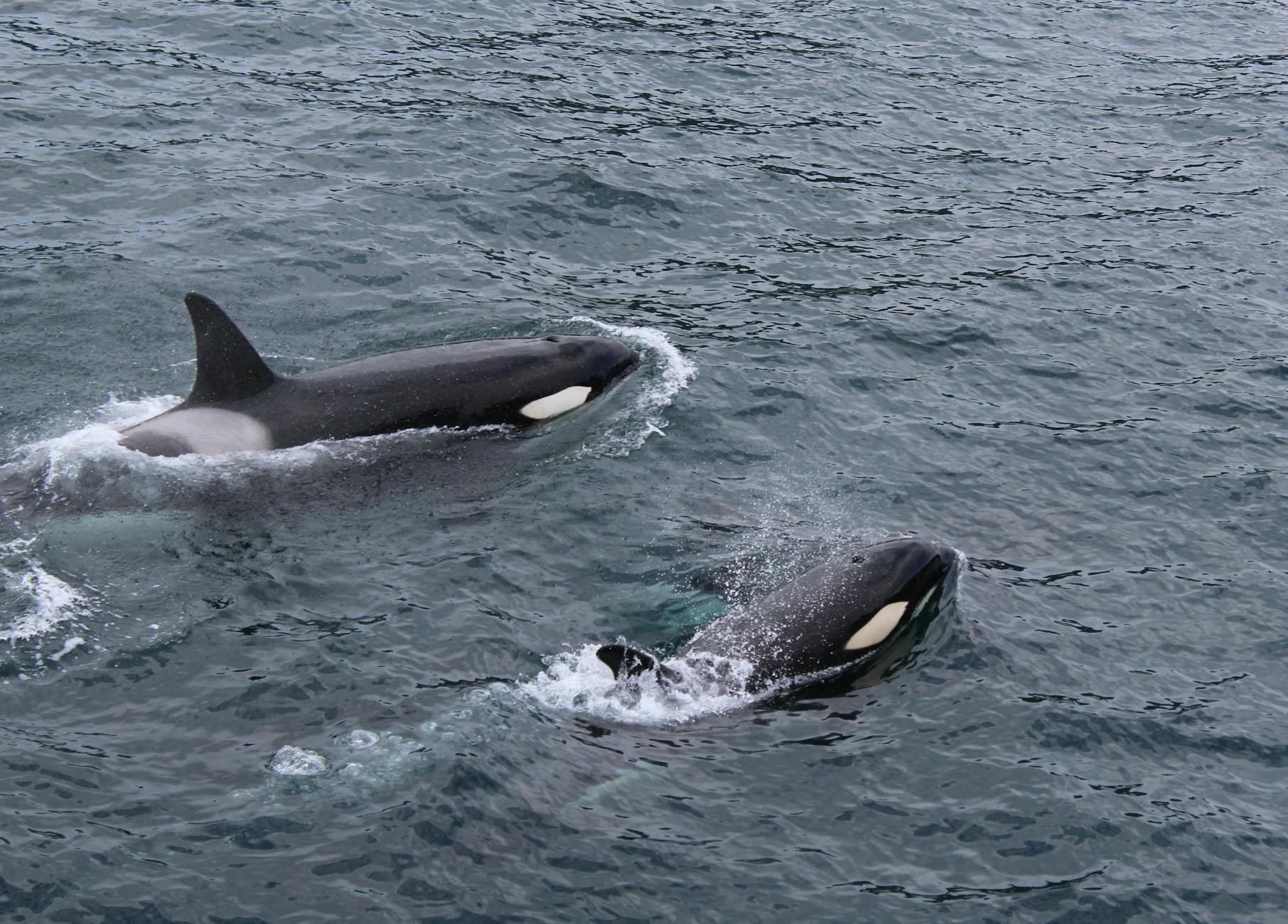
3. Responsible Whale and Dolphin Watching Trips
Where to go: Azores Islands (Portugal), Kaikōura (New Zealand), Monterey Bay (USA)
Why it works: Look for operators with no-approach and speed limits. Boats maintain a respectful distance so marine mammals stay calm. Watching these giants from afar creates lifelong memories and supports local marine conservation.
4. Visits to Accredited Rescue and Rehabilitation Centres
Where to go: Elephant Nature Park (Thailand), Sea Turtle Conservancy (Costa Rica)
Why it works: These centres focus on rescue, rehabilitation, and release. Entrance fees go directly to animal care, habitat restoration, and education programs. You’ll see animals recovering and learn how you can help.
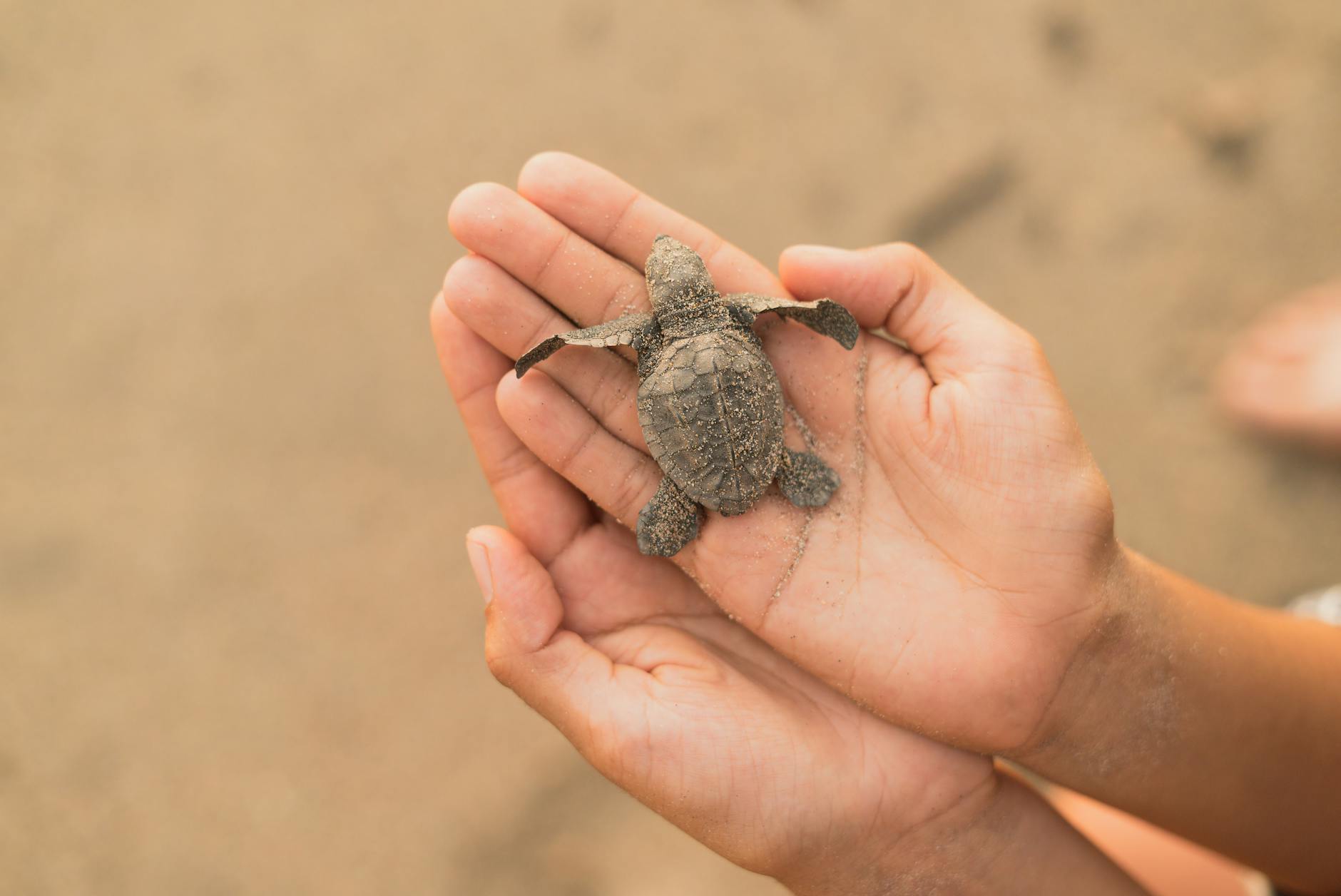
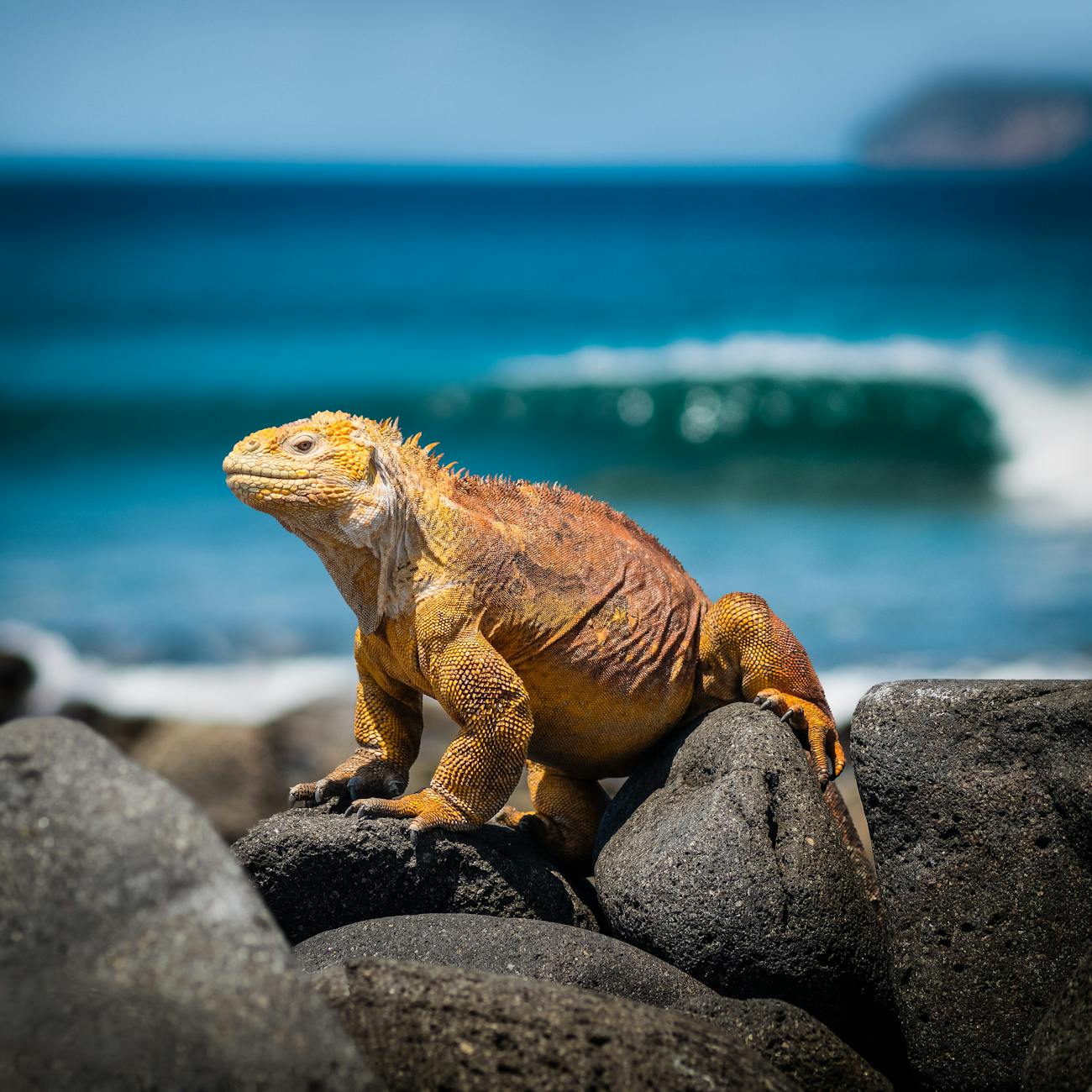
5. Citizen Science and Eco-Volunteer Programs
Where to go: Galápagos Islands tortoise monitoring, Australian reef restoration projects
Why it works: You participate in real conservation work. You might tag turtles or plant mangroves. Under expert supervision you gain skills and know your efforts make a measurable difference.
What to Skip: Common Exploitative Attractions
- Snake Shows and Photo-Op: Reptiles Snakes are often drugged or dehydrated so they stay calm. Between performances they live in tiny, dark boxes.
- Birds in Cages or on Shoulders: Wild birds belong in the sky, not forced into a tiny perch or placed on your arm.
- Circus Acts and Roadside Animal Performances: Training can rely on fear, isolation, or physical punishment to force unnatural tricks.
- Elephant Rides, Painting or Parades: Trainers may use bullhooks or chains to break an elephant’s spirit. Work days can last for hours under intense sun.
- Horseback and Camel Riding: Even outside extreme conditions these rides can cause injury, exhaustion, and long-term damage. Saddles, reins, and heavy loads take a toll on their bodies and minds.
- Hunting and Canned Hunts: Killing animals for sport does not aid conservation. It fuels illegal trade and often targets threatened species.
Tips for Booking Ethical Wildlife Tours
- Do Your Research: Look for certifications such as the Global Sustainable Tourism Council or endorsements from local wildlife authorities.
- Ask Simple Questions: Where do these animals come from? How are they cared for? What happens when shows end?
- Read Independent Reviews: Consult travel blogs, NGO reports, and verified guest feedback on platforms like TripAdvisor.
- Support Community-Led Initiatives: Choose tours that employ local guides and reinvest revenue into conservation or education.
- Share Your Good Finds: Post photos and honest reviews of the positive encounters to help other travellers make better choices.
Great wildlife experiences should inspire wonder without causing harm. You protect animals and their habitats by choosing safaris, bird watching, responsible marine tours, rescue centre visits, and citizen science programs .
Skip the spectacles that treat animals as props and travel with awareness and respect. Your next holiday can leave behind more than footprints. It can leave lasting protection for the wild world we all love.
Happy travels!